

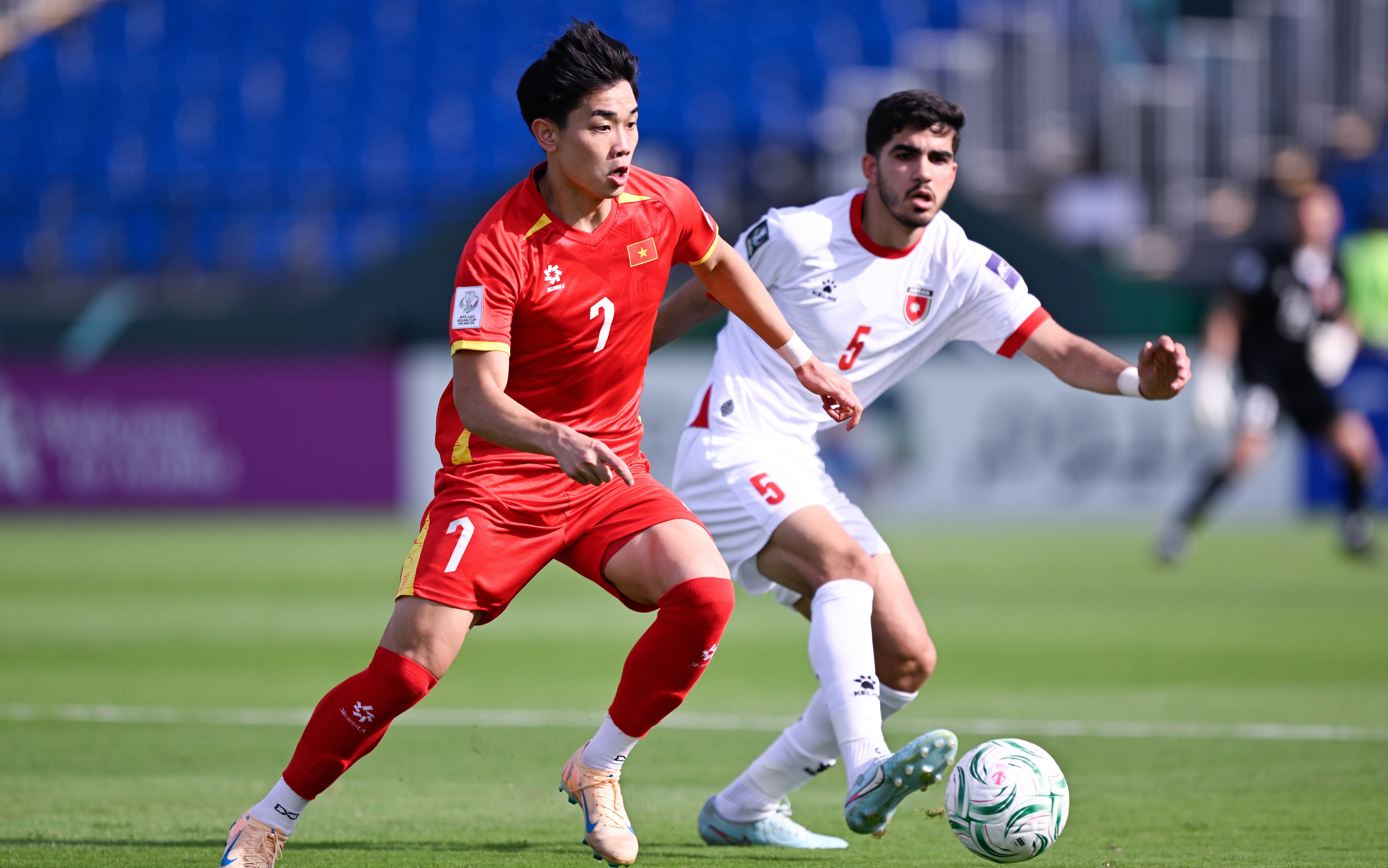
First and foremost, happy new year, dear reader!
As we roll into the new year, it is also the start of a new tournament calendar and a whole host of competitions that take place across the world. While AFCON is entering the knockout phase at the time of writing, the AFC are also busy preparing for two major tournaments that will be happening during the first quarter of 2026, the first of which is the AFC U23 Asian Cup that has kicked off yesterday with the first two matches from Group A.
The opening day of the U23 Asian Cup’s latest edition somewhat delivered with two wins for the favourites in Vietnam and Saudi Arabia. But while the scoreline is straightforward to understand, what else can we learn from Vietnam’s performance against Jordan and how convincingly did the Southeast Asian side secure the win? Let’s dive into the data, shall we?
Personally, the opening match was an interesting one, mainly because of the way Vietnam completely shattered my assumptions based on previous tournaments that I got to watch them. I will get to that talking point in just a bit, but to give a quick summary of the match, it felt more like a game of two halves where Vietnam were slightly in control of both halves.
First half
It was the first half that changed my view on Vietnam’s current U23 side since they looked very comfortable playing out from the back, probably for the first time since ever. Previous tenures and tournaments saw Vietnam played the role of the underdog and took up a more defensive approach, and it worked by helping them reached the final in 2018, until it didn’t when teams who control possession well started playing through their defensive block like a pair of scissors cutting through a sheet of paper. During the first half, however, it was Vietnam who took up the latter role as their share of possession was 55.4% and the players demonstrated a high level of comfort while playing through Jordan’s high and fairly aggressive press.
One positive thing about Vietnam’s ball possession sequences was that it was not mainly the centre-backs and the central midfielders passing the ball sideways or among each other. Because the players were constantly under pressure from Jordan’s high press, even deep inside Vietnam’s own half, there were not that many opportunities for the players to slow the play and pass among each others. This forced the three centre-backs to constantly find solutions to beat the press, either by playing through the press to the central midfielders or making a long pass forward for one of the attackers to run in behind.


But this is where my criticisms start, unfortunately. Even though Vietnam were able to create plenty of chances through their build-up and progression sequences, those chances did not seem to be very dangerous towards Jordan’s goal. This has been an ever-present problem for Vietnam at all levels, partly because the teams never have a consistent and out-and-out #9 up top who can contribute to the team’s play, hold up the ball in key areas while also scoring goals, and the current U23 side is not an exception either.
This meant that Vietnam were unable to progress the ball down the middle and had to rely on the pace of their wing-backs and wingers to get the ball into the final third instead. With Nguyễn Đình Bắc started up front, the team also could not use crosses to get the ball into the box and they only had very few opportunities where they could enter Jordan’s penalty box through open play. As a result of these deficiencies, the players had to shoot from anywhere they could and whenever they had the opportunity, and while some of the shots were on target and forced a few saves from Jordan’s goalkeeper Abdel Rahman Al Talalga, they were never too threatening to be an actual goal.
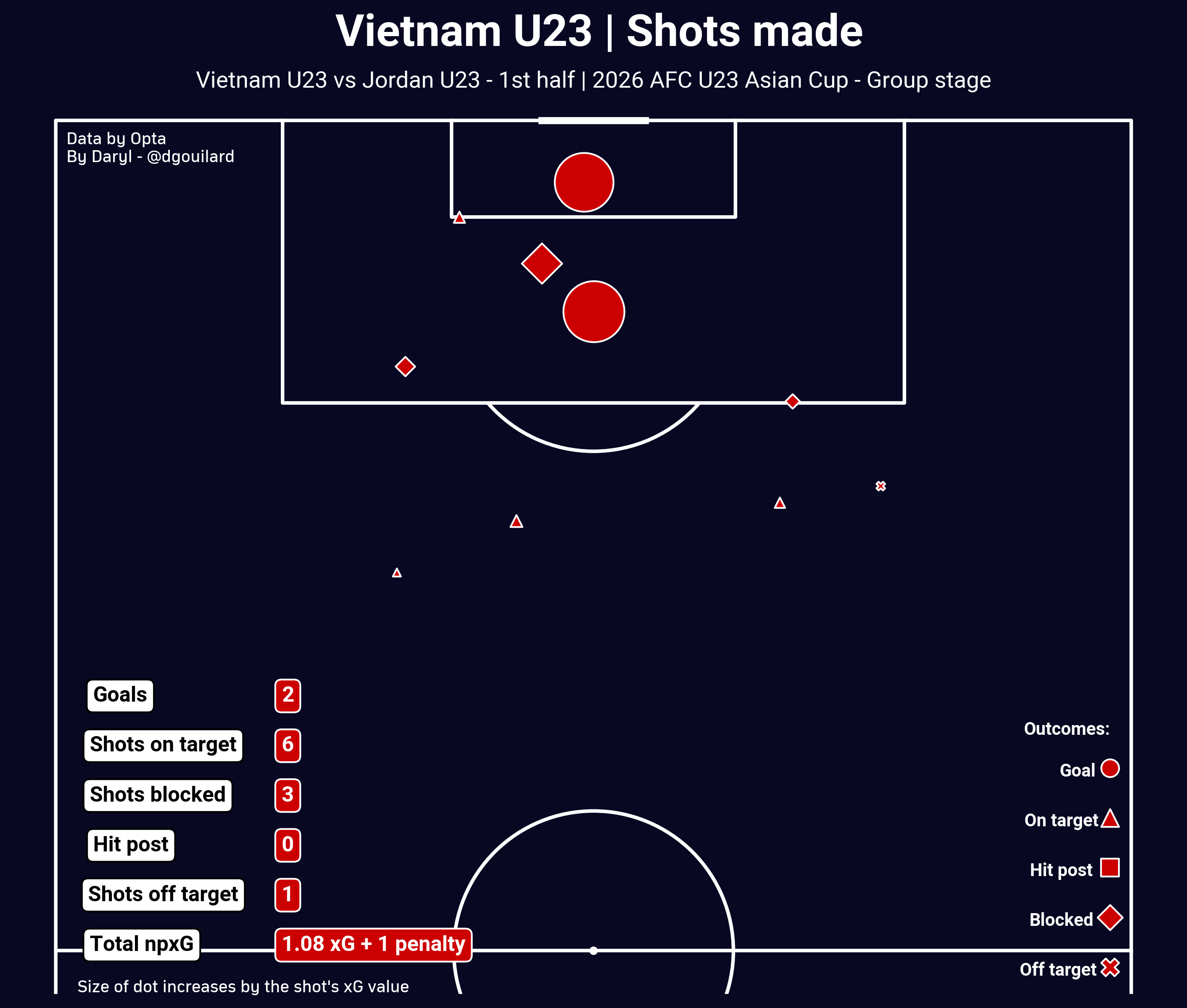
Vietnam actually did make up for that by being quite threatening from the few corners that they had in the first half. A combination of player movement and good ball delivery directly from the corner spot allowed them to create space for one or two players to move into and make first contact with the ball. That was exactly how centre-back Nguyễn Hiểu Minh scored Vietnam’s second and, ultimately, winning goal. While the question of ‘whether relying on set pieces can be sustainable throughout the whole tournament’ will continue to linger, at least it was good that Vietnam have found an avenue where they can score goals a bit more consistent than from open play.
Second half
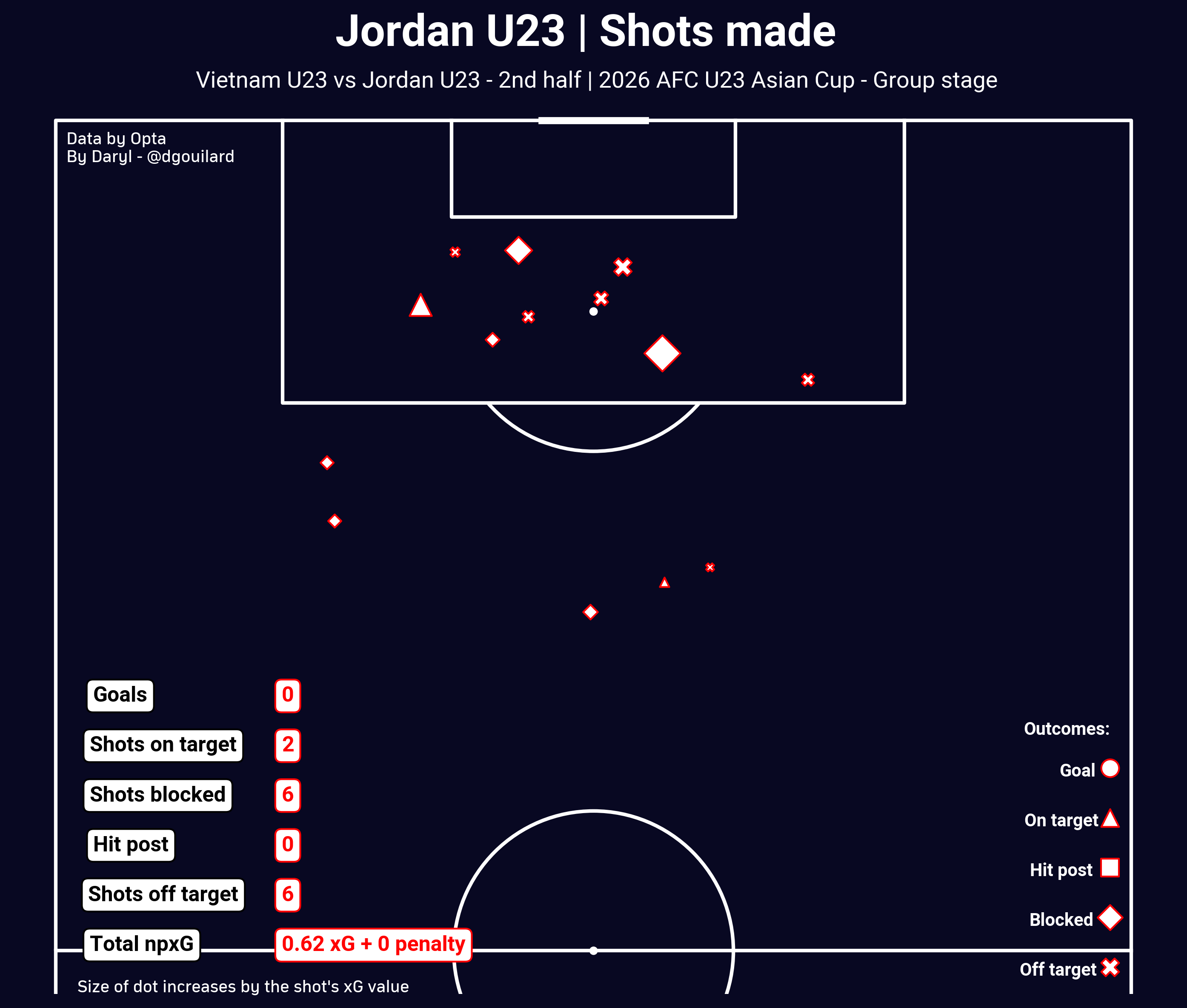
Heading into the second half with a 2-0 lead, it was understandable that Vietnam chose to drop off and focused on defending that lead for their first three points of the tournament. This allowed Jordan to come back into the game, control more of the ball, and create goal-scoring chances. From making just 6 shots in the first half, Jordan more than doubled that tally in the second half with 14 shots. But that possession dominance was not translated into anything meaningful since the players were quite wasteful with their chances, only managed to register 2 shots on target from the 14 that they created after the break.
Wastefulness was only half the reason why Jordan could not score though, as credits must be given to Vietnam’s defence for being tough to beat and stopped plenty of attempts to enter the box from Jordan. In particular, Hiểu Minh himself had a fairly eventful second half as he did not shy away from making challenges and showed up at important moments to intervene a threatening attack. Combining that defensive performance with the corner goal that he scored in the first half and he gets my vote for the Player of the Match.
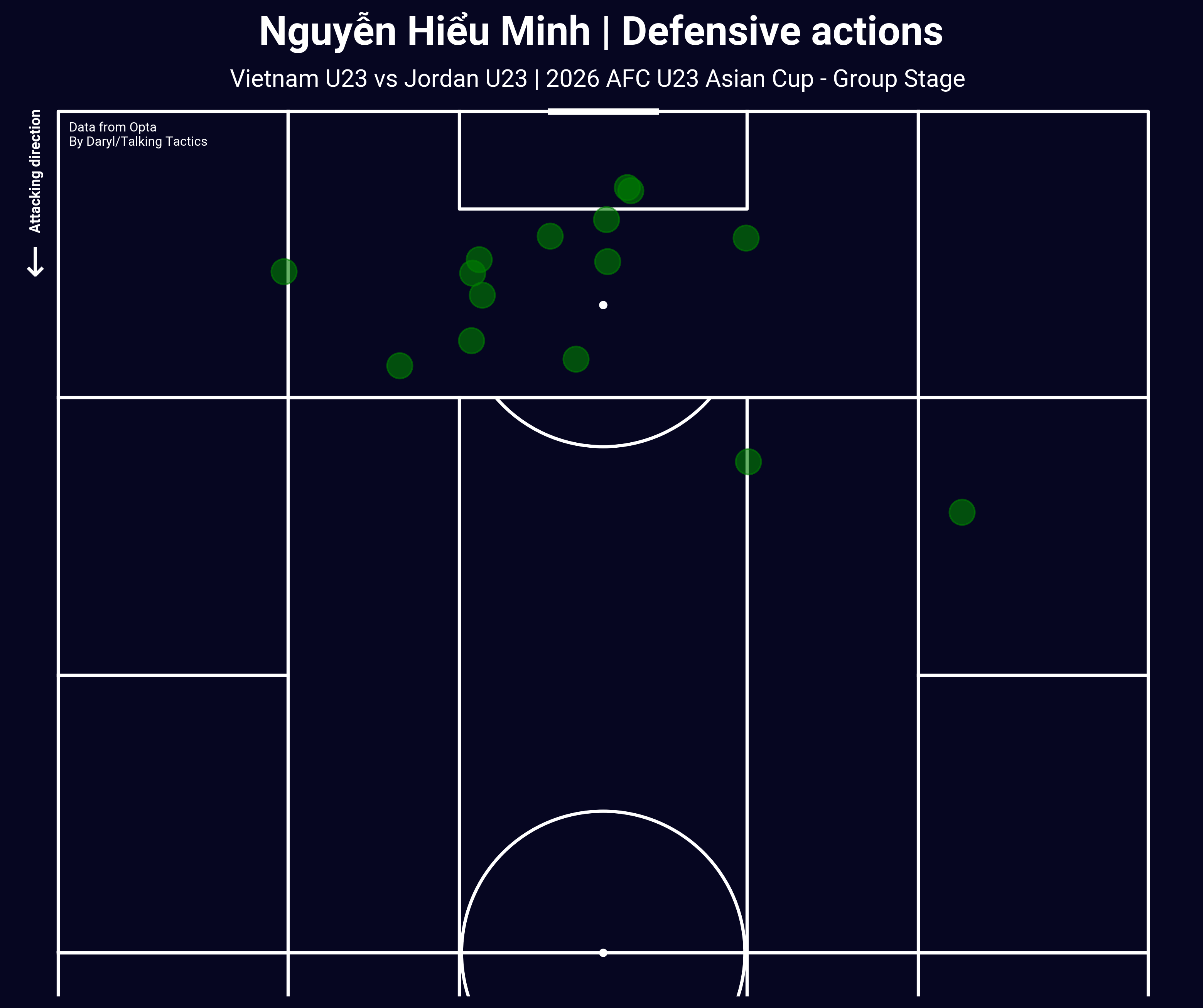
His performance highlighted a very high level of composure both on and off the ball, even though he was playing at the centre of Vietnam’s back three. Defensively, he never showed a strong tendency to lunge into a challenge or make an aggressive tackle, but rather opted to position himself at the right place to block a shot or stick out a leg to win the ball back. While other teammates around him committed fouls here and there, he did not concede a foul and still managed to recover the ball joint-most among Vietnam’s backline and was only topped by the central midfield pairing.
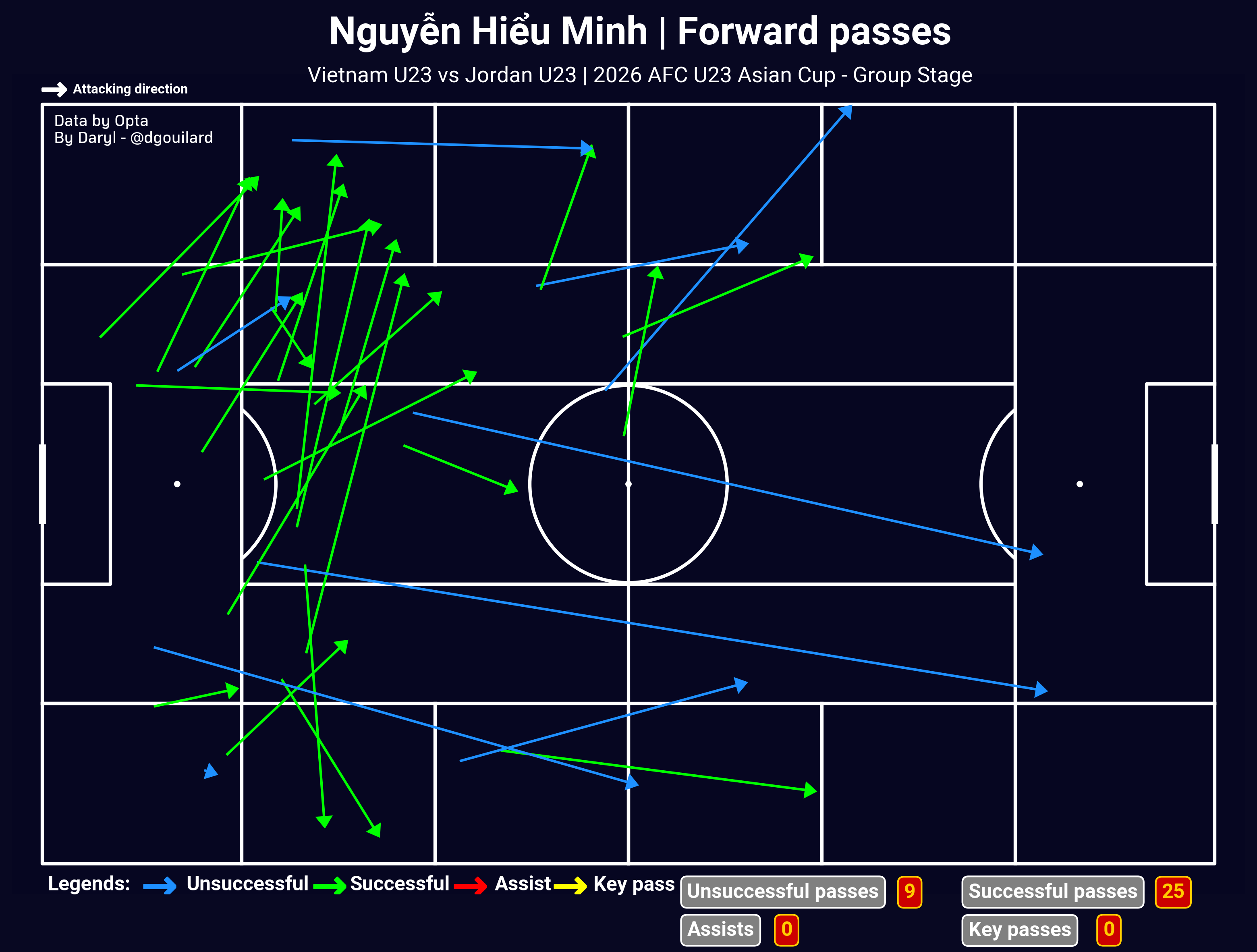
When he had the ball in the first half, Hiểu Minh’s composure was an important factor that helped Vietnam progressed through Jordan’s high press and get the ball to players who were more capable at bringing it forward to the attackers. He also did not shy away from making long passes forward to encourage the front three to make runs in behind either. In total (and proportion), out of Hiểu Minh’s 43 passes, 35 of them (81.4%) were forward passes and 8 (18.6%) were long passes, the most in both categories for all Vietnam’s outfield players. It capped off a very promising performance and put him firmly into my list of players to watch for the rest of the tournament.
Conclusion (and tl;dr)
I honestly don’t think the scoreline reflected the match too well. While Vietnam definitely deserved the win, the scoreline could have easily been 1-0 or something similar if not for the penalty that Jordan conceded during the 15th minute. Both teams had their own struggles in front of goal and Vietnam only came out with three points thanks to two dead ball situations, but it would still prove to be an important three points for the Southeast Asian side.
I praised Vietnam’s performance but they were not without flaws, which they will need to address soon ahead of their remaining group stage clashes if they want to realise their goal of reaching the semi-final. For Jordan, this was a match where they never seemed to be in the driver seat as their performance was fairly underwhelming for the majority of the match. They are not entirely out just yet, but will need to improve quickly and hope that other results will go their way to give them a slim chance to squeeze through to the quarter-final.